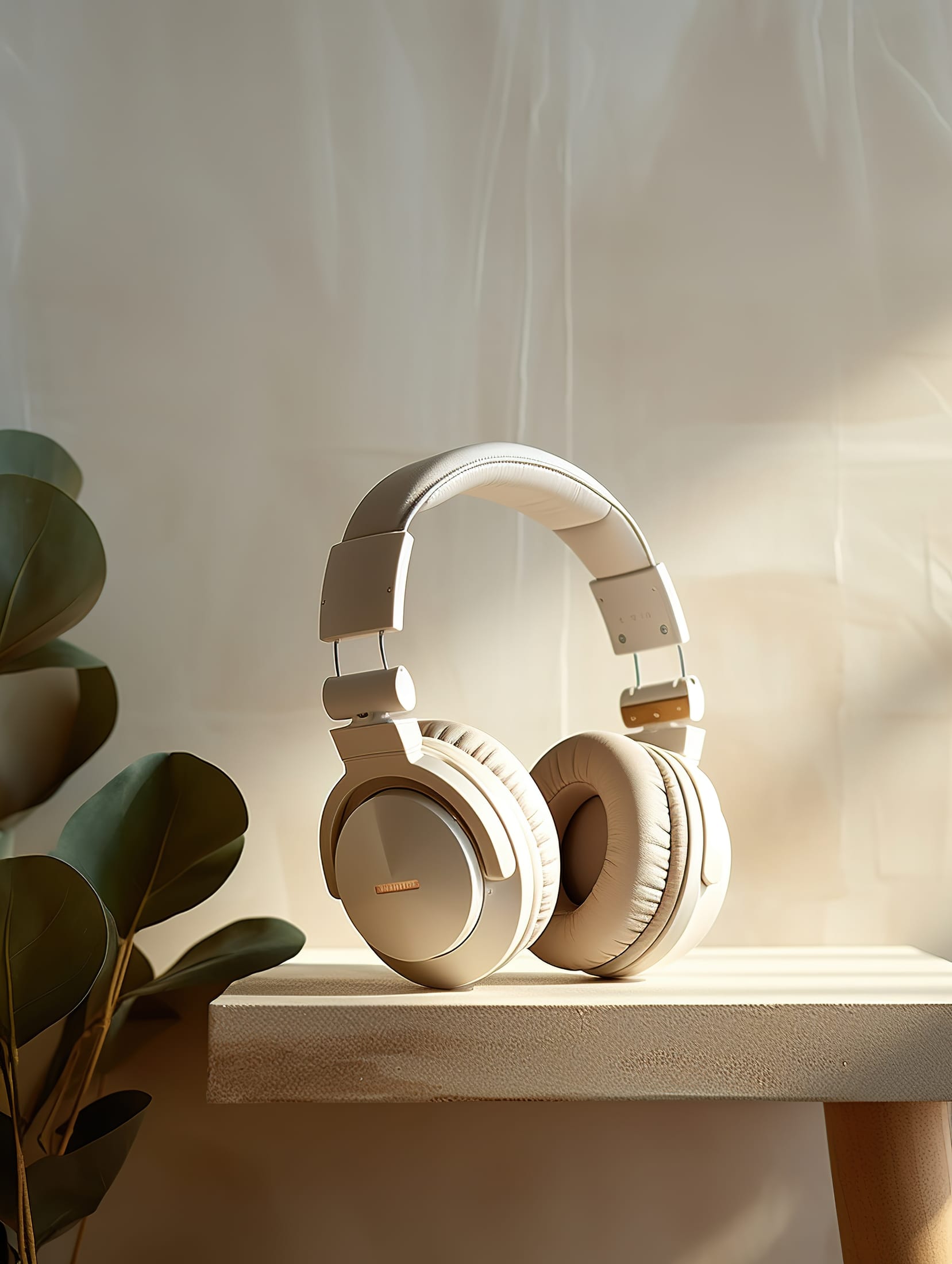
The Honest 2026 Noise-Cancellation Guide — What Specs Actually Matter
Not all noise-cancellation is created equal — and the spec sheet rarely tells the whole story. In this guide, we cut through the marketing jargon to reveal which ANC specs actually affect your listening experience, which ones are just numbers on a page, and what you should really be looking for before you buy in 2026.

Understanding Noise-Cancellation Technology
Noise-cancellation has become a standard feature in headphones and earbuds, but many shoppers don't fully understand what they're paying for. The technology works by using microphones to detect ambient sound, then generating inverse sound waves to cancel it out. However, not all noise-cancellation systems are created equal, and the specs manufacturers highlight don't always tell the whole story.
Decibel Reduction: The Number That Matters Most
When comparing noise-cancellation capabilities, decibel (dB) reduction is one of the most important metrics to consider. This measures how many decibels of sound are actually eliminated. Most quality noise-cancelling headphones reduce ambient noise by 20-30 dB, which is significant enough to block out most background chatter and engine noise. Be cautious of claims exceeding 40 dB—these are often exaggerated or apply only to specific frequencies.
Frequency Response and What It Reveals
Frequency response indicates which sound frequencies a device can handle. Noise-cancellation typically works best on low-frequency sounds like airplane engines or traffic rumble. High-frequency sounds like voices or sirens are much harder to cancel. A good noise-cancelling device should have a frequency response range of at least 20 Hz to 20 kHz, but pay special attention to how it performs in the lower ranges where most ambient noise lives.
Active vs. Passive Noise Isolation
Active noise-cancellation (ANC) uses electronics to cancel sound, while passive noise isolation relies on physical design—think of it as soundproofing. The best noise-cancelling products combine both. Passive isolation from a snug fit or quality ear cups can actually be just as important as the active technology, especially for blocking out higher-frequency sounds that ANC struggles with.
Battery Life and Real-World Performance
Noise-cancellation drains battery quickly. Check how long a device lasts with ANC enabled, not just the general battery life claim. Many headphones advertise 30+ hours of battery life, but that's often with noise-cancellation turned off. Look for products
Enjoyed the read?
Get our buying guides and gear stories — no spam, just the good stuff.
More from the journal

How We Built OmniBuds Pro 3 — Engineering 5 Grams of Perfection
Five grams. That's all it takes to deliver studio-quality sound, all-day comfort, and cutting-edge noise cancellation. But getting there wasn't simple. Go behind the scenes with our engineering team to discover the obsessive design decisions, material breakthroughs, and countless prototypes that made the OmniBuds Pro 3 possible.